
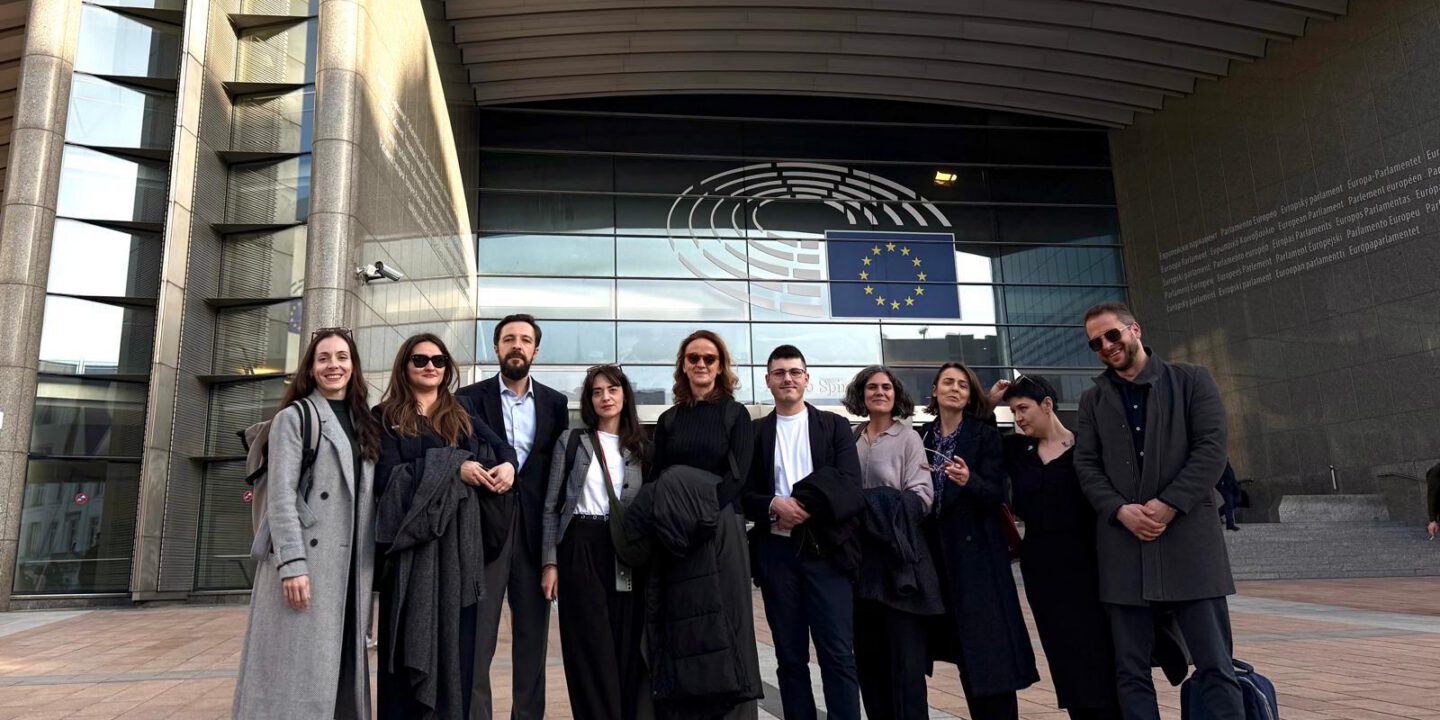
From 3 to 6 March, BCSDN conducted its annual advocacy mission to Brussels at a pivotal moment for EU democracy initiatives and enlargement policy. As the EU begins operationalising its Civil Society Strategy and Democracy Shield, while preparing the next Multiannual Financial Framework (MFF) for 2028–2034, the visit aimed to ensure that the experiences and perspectives of civil society from the Western Balkans and Türkiye are reflected in these evolving frameworks.
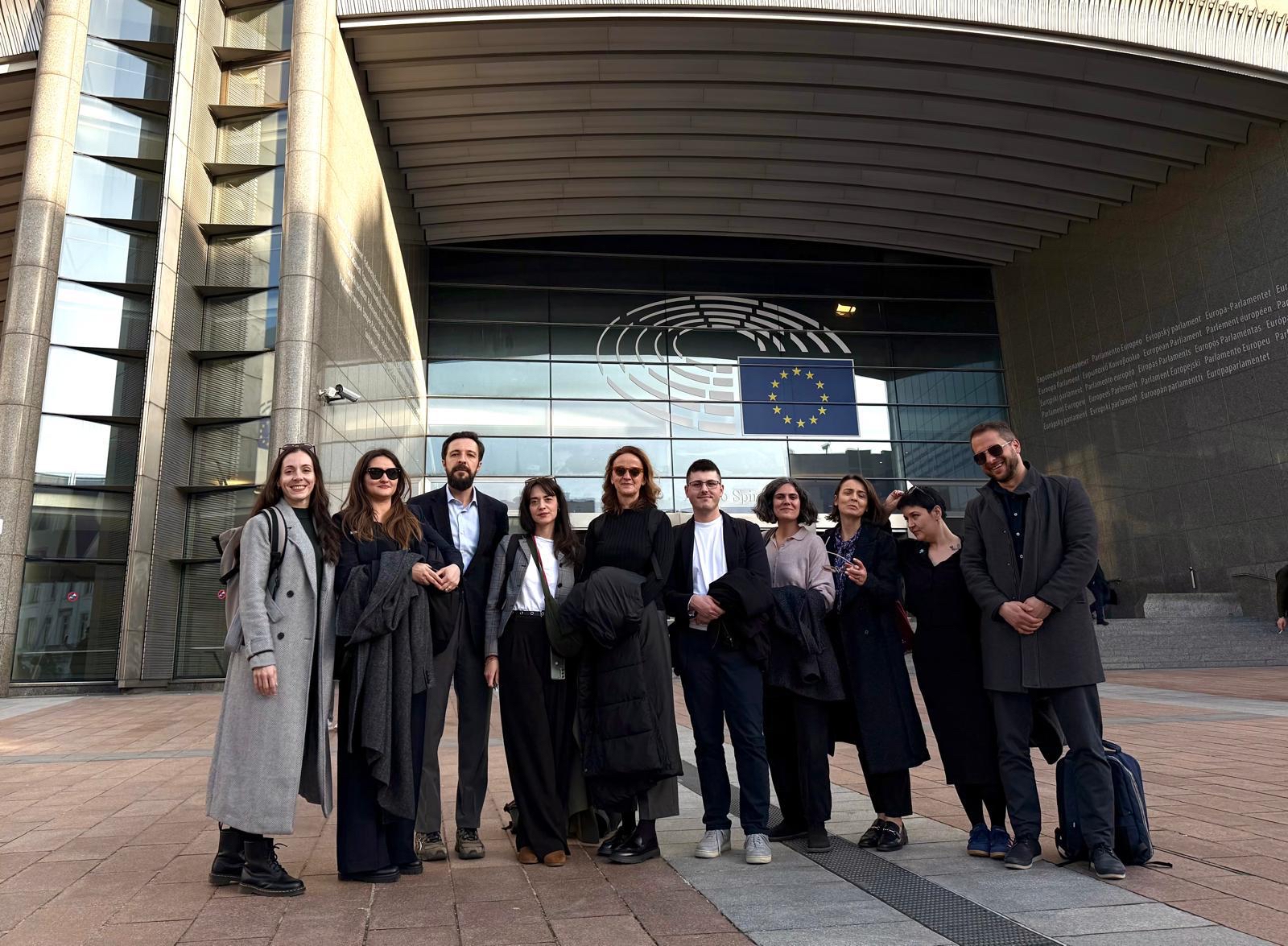
At the beginning of the week, we have actively participated in the EESC Civil Society Days 2026, where discussions focused on democratic resilience, civic participation and the role of civil society across Europe. These conversations provided an important entry point for exchanges with EU institutions and policymakers on how emerging EU democracy instruments can better include civil society actors from enlargement countries.
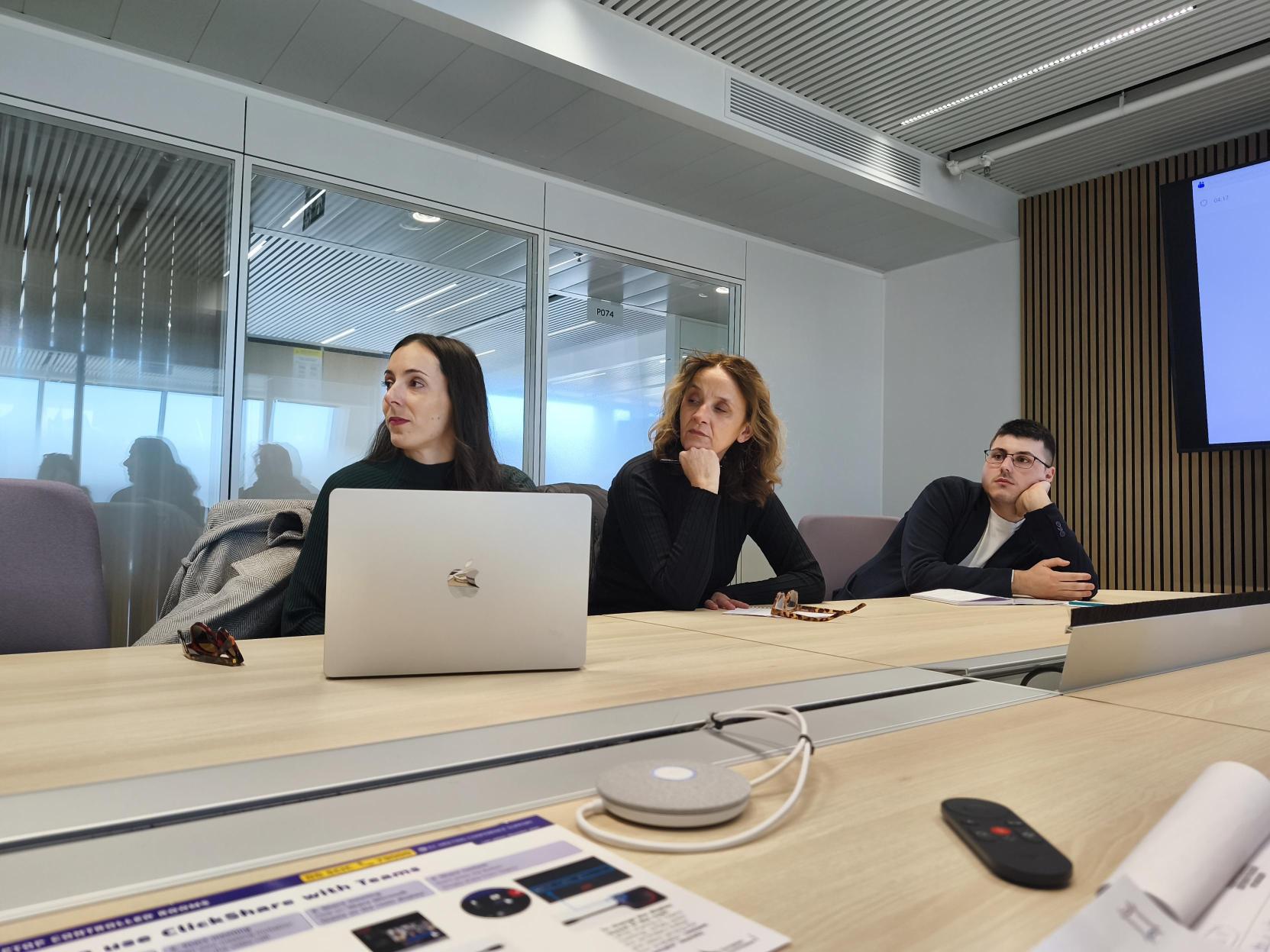
Throughout the week, we have engaged with representatives of the European Commission, Members of the European Parliament, and partner civil society networks. In parallel, regional exchanges among BCSDN members with Commission Directorates provided an opportunity to share recent developments affecting civic space and civil society engagement across their respective countries.
Civil Society Engagement and Participation
A key focus of the Brussels visit was the implementation of the EU Civil Society Strategy and the emerging mechanisms intended to structure dialogue between EU institutions and civil society. In exchanges with representatives of DG JUST, discussions centred on how the Strategy and related initiatives, including elements linked to the European Democracy Shield, will be operationalised in practice and how these frameworks could support stronger civic participation.
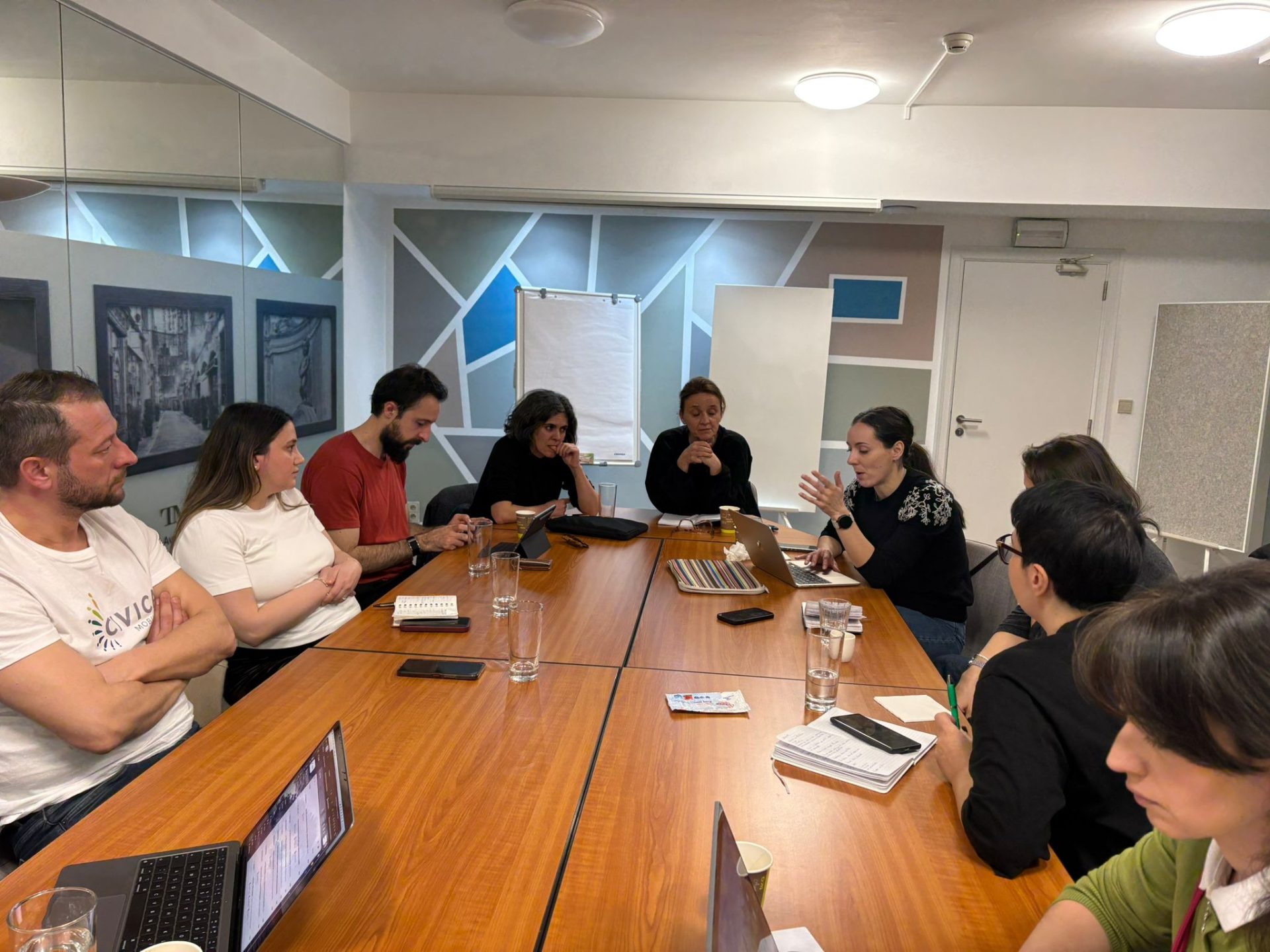
Particular attention was given to the design of the future Civil Society Platform and the broader governance arrangements that will accompany the Strategy. BCSDN emphasised that CSOs from enlargement countries should not remain outside these emerging structures and that mechanisms for structured engagement should go beyond ad-hoc consultations. Ensuring that enlargement civil society can participate meaningfully in dialogue platforms, monitoring arrangements and protection mechanisms is essential if the EU aims to build a truly shared European civic space.
The exchanges also explored how signals from civil society could be better integrated into EU-level discussions on democratic resilience, and how participatory mechanisms could help bridge the gap between policy frameworks and developments on the ground in candidate countries.
Protection of Civic Space and Early Warning Mechanisms
Another central topic during the advocacy visit was the protection of civic space and the early warning mechanisms to identifying and responding to emerging democratic threats. In discussions with DG ENEST and several Members of the European Parliament, including exchanges with MEP Kathleen Van Brempt, S&D and other parliamentary actors engaged in democracy and enlargement debates, BCSDN highlighted the importance of linking democratic resilience initiatives with developments in enlargement countries.
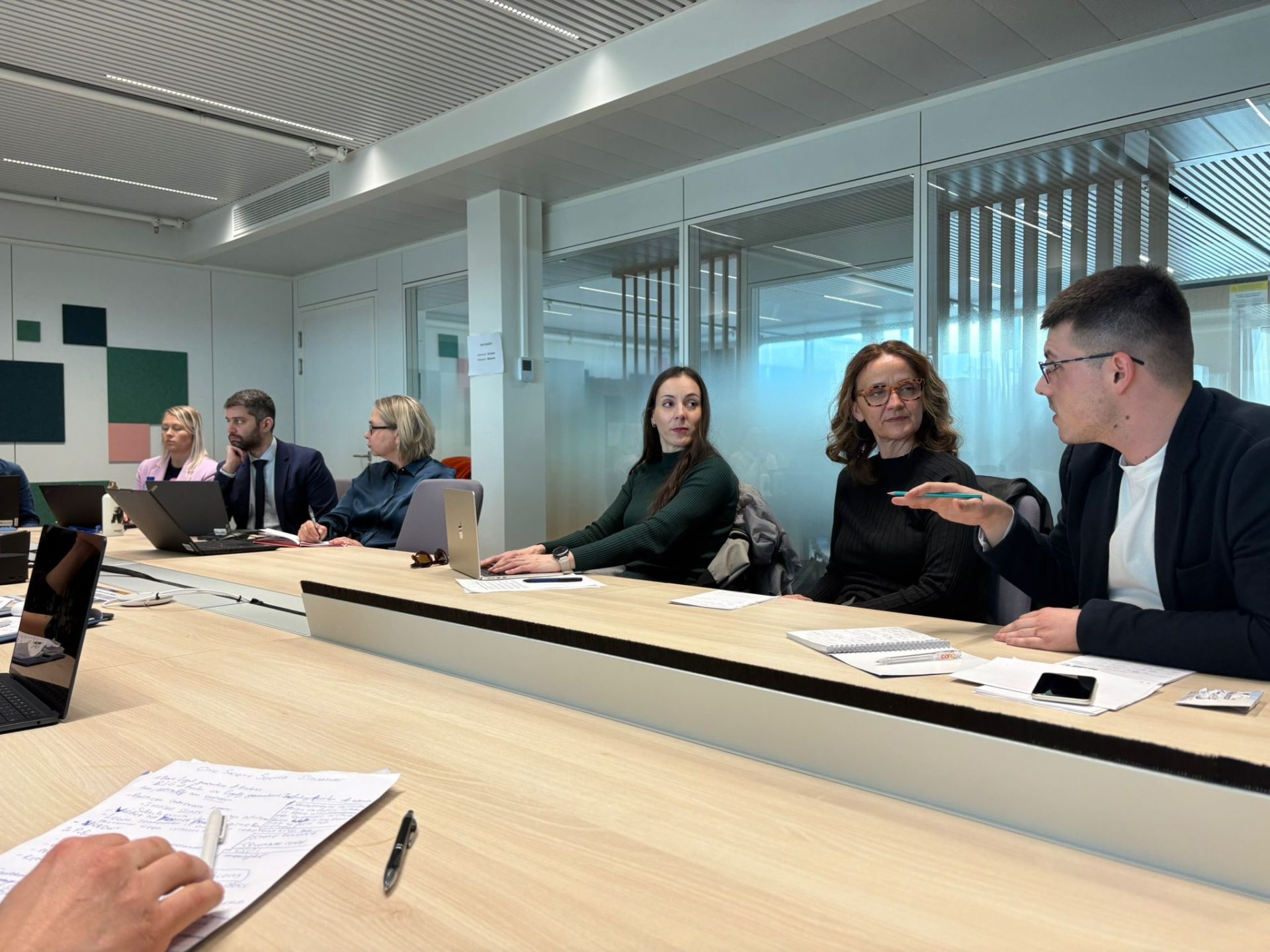
Conversations focused on how signals coming from the ground could reach EU decision-making levels more effectively. Participants explored how monitoring tools, civic space indicators and independent evidence could complement institutional assessments and contribute to a clearer understanding of democratic developments in the region.
These exchanges also touched upon the broader question of how civil society perspectives could feed into the EU’s emerging architecture for democratic resilience, including how information gathered through civil society monitoring could support institutional follow-up and timely responses to risks affecting civic space.
Sustainable Funding for Civil Society under the New MFF
The upcoming negotiations on the EU’s next Multiannual Financial Framework were another important focus of the mission. In meetings with several Members of the European Parliament, including MEP Thomas Waitz, Green/ EFA, rapporteur for North Macedonia, as well as exchanges with MEP Lukas Mandl, EPP, Gordan Bosanac, Green/ EFA and other parliamentary representatives involved in the budgetary discussions, BCSDN raised concerns about how support for civil society will be positioned within the future EU financial architecture.
As EU funding instruments evolve, including the gradual shift from the Instrument for Pre-Accession Assistance toward broader external financing frameworks such as Global Europe, CSOs in enlargement countries face uncertainties regarding the visibility and accessibility of dedicated support. Discussions therefore focused on how the role of civil society, including its advocacy, monitoring and watchdog functions, can remain safeguarded as accession processes advance and financial instruments are restructured.

The exchanges also touched upon the implementation of the EU’s Growth Plan for the Western Balkans, particularly how civil society participation, civic space indicators and independent evidence could contribute to monitoring reform progress alongside official government reporting. Such exchanges with Members of the European Parliament are particularly important, as rapporteurs and parliamentary groups play a key role in shaping internal debates, amendments, and political signalling within the Parliament on enlargement developments and democratic standards in candidate countries.
In an exchange with MEP Thomas Waitz, Rapporteur for North Macedonia, discussions also touched upon the European Parliament’s 2025 report on North Macedonia, particularly the importance of maintaining consistent attention to the enabling environment for civil society and civic space developments within parliamentary reporting on the country’s EU accession progress.
Strategic Exchanges and Next Steps
During the visit, BCSDN also held a dedicated exchange with its partner network, the European Civic Forum (ECF). The discussion explored possible synergies between existing monitoring initiatives and how cooperation among civil society networks could strengthen efforts to identify developments affecting civic space across Europe and in enlargement countries.
The advocacy mission concluded with a BCSDN members’ meeting, where members reflected on the discussions held in Brussels and shared national perspectives on civic space developments in their respective countries. The meeting served as an opportunity to consolidate insights from the week, identify key follow-up priorities and discuss how the network can continue engaging with EU institutions in the months ahead.
The Brussels visit reaffirmed the importance of sustained dialogue between EU institutions and civil society actors from enlargement countries. While new democracy instruments and policy frameworks are taking shape, ensuring that civil society from the Western Balkans and Türkiye can contribute meaningfully to these processes will remain essential for strengthening democratic resilience across the wider European space.
Interested in reading more?